

MMT Monthly Resource Bulletin
Practical mindset tools for schools and youth settings.
A quick once-a-month resource drop for busy educators, with practical ideas you can use in form time, assemblies, pastoral check-ins or classroom moments.
2026 | Issue 04
Thought of the Month
Progress becomes easier to see when we take time to look back at how far we’ve come.
The Mindset Mission Team®
- 5-Minute Classroom Tool
Theme: Looking Back to Move Forward
When to use:
Form time · Start of day reflection ·End of week reflection · Transition conversations · End of term review.
Step 1 — Read (1 minute)
Read the Thought of the Month aloud:
Progress becomes easier to see when we take time to look back at how far we’ve come.
Ask students:
What is something you can do now that felt difficult or unfamiliar at the start of the year?
Take 2–3 quick responses from the class.
Explain briefly:
We often focus on what we haven’t achieved yet, but sometimes we forget how much we’ve already learned, improved or overcome.
Looking back can help us recognise progress that we might otherwise overlook.
Step 2 Connect (2 minutes)
Ask students to think about an area where they have grown this year.
It could be:
Learning
Confidence
Friendships
Organisation
Resilience
Trying new things
Then ask:
What is one improvement you are proud of?
Examples you might offer include:
Understanding something that once felt difficult
Speaking up more often
Managing emotions better
Making a new friend
Becoming more independent
Sticking with something even when it felt challenging
Step 3 Anchor (2 minutes)
Ask students to complete this sentence:
One thing I’ve learned about myself this year is…
Students can:
Say it aloud
Write it down
Share with a partner
Invite 1–2 volunteers to share.
Finish by reminding them:
Sometimes progress isn’t about how far you still have to go — it’s about recognising how far you’ve already come
Part of the MMT Monthly Resource Bulletin
Inspiring Growth, One Mind at a Time

Programme Spotlight of the Month:
Breakthrough: The Mindset Mission
One of the biggest challenges in secondary education is supporting students who have the ability to succeed but are being held back by confidence, self-belief or attainment barriers.
As students move through Key Stage 4, many face increasing pressure around exams, expectations and future pathways. Some begin to doubt their abilities, even when they are capable of achieving more than they realise.
Breakthrough: The Mindset Mission is a dynamic, mindset-focused workshop designed to help students develop resilience, build confidence and take ownership of their progress.
Combining energising activities, relatable stories and practical mindset strategies, the programme helps learners understand that success is not about being naturally gifted — it is about effort, learning, persistence and growth.
Pupils explore:
• Understanding the difference between effort and ability
• Viewing mistakes and setbacks as opportunities for growth
• Building resilience through reflection and self-awareness
• Developing confidence through the language of growth mindset
• Using the power of “Yet” to overcome self-doubt and limitation
Sessions are built around discussion, practical activities and reflective exercises that encourage students to think differently about challenge, progress and personal responsibility.
Schools often use this programme to support GCSE students facing attainment barriers, helping them approach learning with greater confidence, motivation and belief in their own potential.
You can view all our programme options by clicking the ‘Breakthrough’ icon above.
Free Resource of the Month:
This month’s highlighted resource is our “You’re Further Than You Think” classroom poster, designed to encourage students to recognise the progress they have already made.
As the academic year moves towards its final weeks, many young people focus on what still needs to be achieved rather than how far they have already come. This visual helps shift attention towards growth, effort and personal development.
Perfect for classrooms, corridors, intervention spaces or form rooms, the poster provides a simple reminder that progress is often easier to see when we take time to reflect on the journey so far.
You can download this poster, along with other free mindset visuals, from the MMT Resources page below.

Mind Science Moment
Why do we remember mistakes more than successes?
Did you know that the brain naturally pays more attention to problems, mistakes and potential threats than positive experiences?
Psychologists call this the negativity bias.
Thousands of years ago, this helped humans survive by making them alert to danger. But today, it can sometimes make us focus more on what went wrong than what went well.
That means students might:
• Remember one poor test score and forget several good ones
• Focus on one mistake in a lesson instead of their overall progress
• Notice what they still can’t do rather than what they’ve already learned
This is one reason why reflection is so important.
When we deliberately pause to recognise effort, improvement and success, we help the brain build a more balanced picture of reality.
A useful question to ask is:
“What is one thing I can do now that I couldn’t do six months ago?”
Research suggests that regularly recognising progress can improve motivation, confidence and resilience.
Sometimes growth isn’t invisible — we’ve just become so focused on the next challenge that we’ve stopped noticing how far we’ve already come.
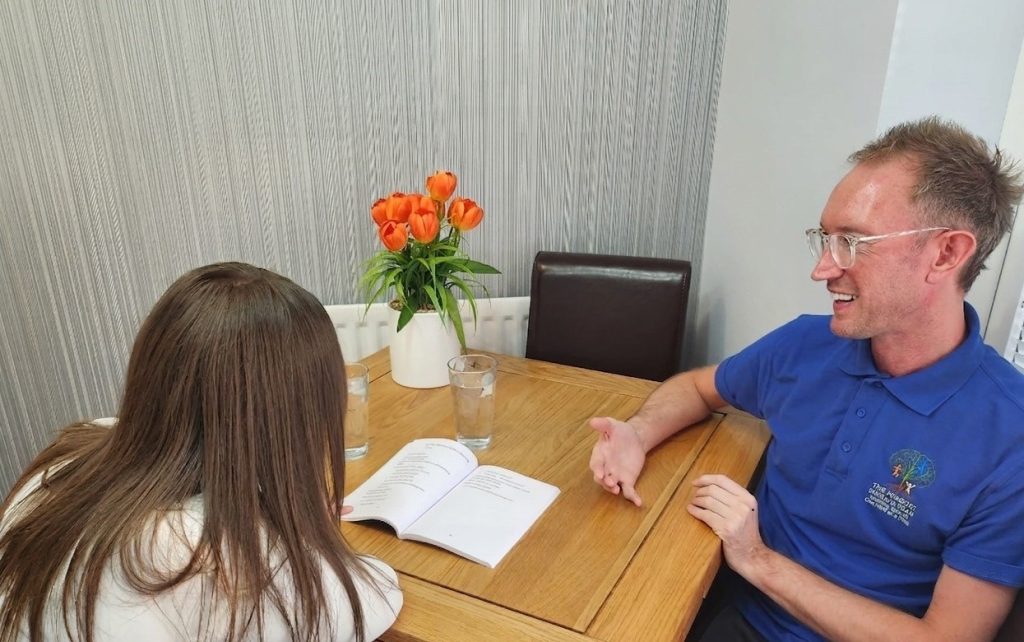
New Service: 1-to-1 Mindset Mentoring
We’re pleased to introduce 1-to-1 Mindset Mentoring, a new support service from The Mindset Mission Team® designed for young people who may benefit from additional encouragement, reflection and guidance.
These supportive sessions provide a calm, structured space for students to talk through challenges, build confidence, develop resilience and explore practical strategies for moving forward positively.
Sessions can support areas such as:
• Confidence and self-belief
• GCSE stress and exam pressure
• Motivation and focus
• Managing setbacks and frustration
• Transition periods and school-related pressures
• Goal setting and personal development
Available for secondary-aged students through schools or directly through parents/carers.