

MMT Monthly Resource Bulletin
Practical mindset tools for schools and youth settings.
A quick once-a-month resource drop for busy educators, with practical ideas you can use in form time, assemblies, pastoral check-ins or classroom moments.
2026 | Issue 01
Thought of the Month
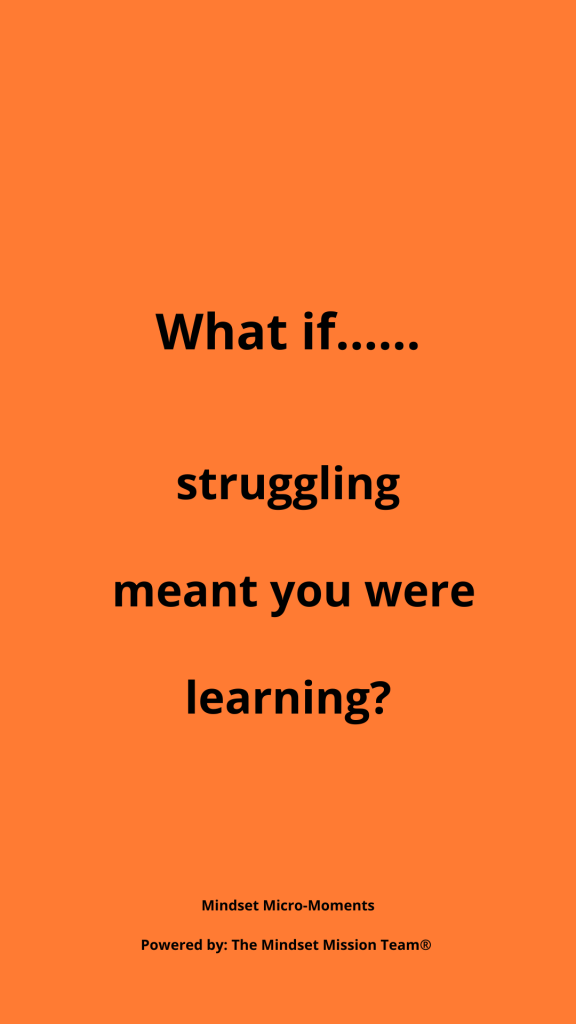
What if struggling meant you were learning?
Not failing — just stretching into something new.

- 5-Minute Classroom Tool
Theme: Pressure to Progress
When to use:
Form time · Start of day reflection · Pre-exam mindset reset · End of lesson reflection
Step 1 — Read (1 minute)
Read the Thought of the Month aloud:
Confidence isn’t built by getting everything right, it’s built by how students respond when things don’t go to plan.
Ask students:
When something feels difficult or high-pressure, what do you usually focus on?
Take 2–3 quick responses from the class.
Explain briefly:
Sometimes pressure makes us focus only on the outcome, but we actually have more control over how we respond than over the final result.
Step 2 Connect (2 minutes)
Ask students to think of something they are currently working towards, preparing for, or
finding challenging.
It could be:
Exams or assessments
Classwork
Sport or performance
Friendships
Confidence
Then ask:
What is one thing you can control in this situation?
Examples you might offer include:
The effort you give
Asking for help
Staying focused for a set period of time
Trying again after getting stuck
Managing your time more carefully
Step 3 Anchor (2 minutes)
Ask students to complete this sentence:
Today, I will focus on…
Students can:
Say it aloud
Write it down
Share with a partner
Invite 1–2 volunteers to share.
Finish by reminding them:
You don’t always control the outcome, but you always have influence over how you respond.
Part of the MMT Monthly Resource Bulletin
Inspiring Growth, One Mind at a Time

Programme Spotlight of the Month
Aspire (The Empowerment Project)
One of the most important stages in a young person’s education is the move from Key Stage 3 into Key Stage 4.
As students approach this stage, many begin to think more seriously about their future, but may also feel uncertain about expectations, identity, and the direction they are heading in.
Aspire (The Empowerment Project) is a dynamic, mindset-driven workshop designed to support Year 9 students as they prepare for this next step.
Combining self-reflection, challenge and forward-thinking activities, the programme helps pupils take ownership of their learning journey, building confidence, resilience, and a clearer sense of who they are becoming both in and beyond the classroom.
Pupils explore:
• Understanding where they are now and where
they want to go
• Viewing challenges as opportunities for
growth, not tests of ability
• Building resilience through reflection and
learning from setbacks
• Developing a clear “Future Me” vision and
personal direction
• Using the language of growth to support
confidence and teamwork
Sessions are built around activities, discussion, and practical mindset tools that help students reflect, plan, and engage more positively with the challenges ahead.
Schools often use this programme as part of Year 9 transition into Key Stage 4, helping pupils approach GCSE pathways with greater confidence, purpose, and clarity.
You can view all our programme options by clicking the Aspire icon above.
Free Resource of the Month:
This month’s highlighted resource is our “Rewiring Self-Talk” classroom poster, a simple visual designed to help students recognise and reshape the way they speak to themselves.
The poster encourages students to notice negative or unhelpful thoughts and begin shifting them into more positive, supportive self-talk.
Perfect for classrooms, corridors, intervention spaces or form rooms where students benefit from a consistent reminder that their internal voice plays a powerful role in how they approach challenge.
You can download this poster, along with other free mindset visuals, from the MMT Resources page below.

Mind Science Moment
Did you know that the brain is constantly rewiring itself based on what we practise and repeat?
This is called neuroplasticity, the brain’s ability to strengthen connections the more we use them.
That means the thoughts, habits, and behaviours students repeat most often actually become easier and more automatic over time.
That’s why small, consistent actions matter so much.
If students begin to practise:
• trying again after getting stuck
• asking for help
• focusing on what they can control
They are quite literally training their brains to respond differently to challenge.
A helpful question to pause on is:
“What am I practising right now?”
Because over time, what we practise —
becomes how we think, act, and respond.
Small repeated actions don’t just build progress…
they shape the brain itself.
New Resource: Your Mind, Your Mission
We’re excited to share that Your Mind, Your Mission (Teen Edition) is now available.
Designed for students aged 14–16, this reflection journal supports young people as they navigate the pressures of school, expectations, and growing independence.
Through honest prompts, bold questions, and structured reflection, it helps students explore who they are, what they believe, and the direction they want their lives to take, building confidence that feels real, not performative.
Many schools are using the journal as part of pastoral support, mentoring, and wellbeing provision, helping students develop self-awareness, resilience, and a stronger sense of purpose during a key stage of their education.
If you’d like to explore the journal or see how schools are using it, you can learn more below.
For school bundle packs or bulk orders, please contact us directly.